About Tilixam Services
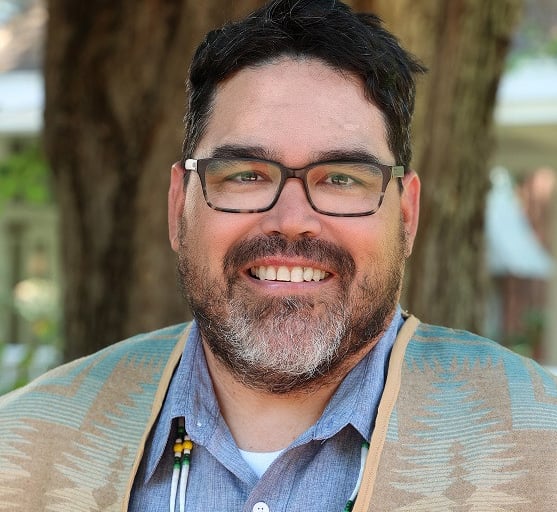
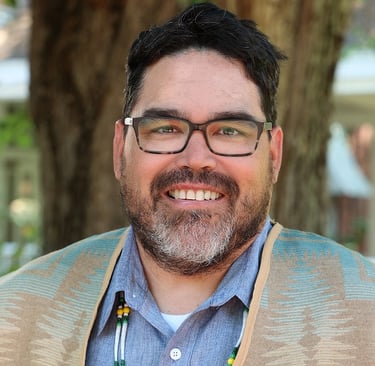
An enrolled member of the Confederated Tribes of Grand Ronde and a descendant of the Muckleshoot Tribe of Washington. He is a scholar, educator, and community advocate whose work focuses on strengthening tribal families and communities through culturally based education, child welfare, and behavioral health initiatives.
Dr. Simmons earned his PhD in Special Education from the University of Oregon, where his research centered on culturally grounded pedagogy, adaptations of evidence-based practices, and the role of Indigenous knowledge systems in shaping outcomes for American Indian and Alaska Native youth, families, and communities.
Over the course of his career, Simmons has held leadership and practitioner roles across tribal governments, higher education, and federal initiatives. He has served as Research Manager with the Native Center for Behavioral Health at the University of Iowa, Graduate Employee with the Sapsik’ʷałá Teacher Education Program, Foster Care Coordinator with the Confederated Tribes of Grand Ronde, and Academic Advisor in both tribal and university settings.
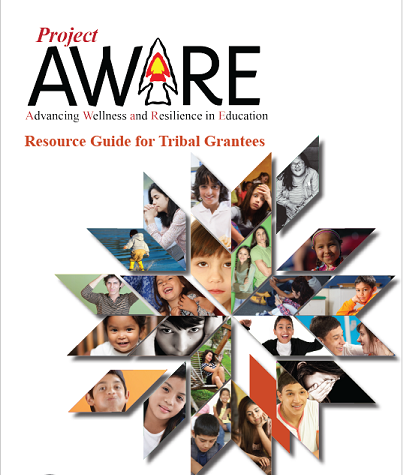
His project leadership reflects a deep commitment to community-driven change. He co-developed the Native Approaches to Special Education (NASPED) program, created the Native American Family Engagement Model (NAFEM), and leads the Oregon Tribal Motivational Interviewing Project, a statewide initiative to adapt and implement culturally responsive Motivational Interviewing within Oregon’s nine federally recognized tribes. He has also collaborated on national initiatives such as SAMHSA’s Tribal AWARE Gatherings and the DEA’s Tribal Fentanyl Prevention Program.
Simmons’s scholarship and practice have been shared through peer-reviewed publications—including contributions to Genealogy and Rural Sociology—and presentations at national and international forums in child welfare, education, and Indigenous health. His work consistently elevates the lived experiences of Native peoples, advancing models of service delivery that center culture as intervention.
Beyond academia and research, Simmons has been active in civic and community leadership, including as a volunteer with community-based initiatives.
At the heart of his work, Dr. Simmons advances the belief that family (tilixam), culture, relationships, and Indigenous knowledge are vital pathways for healing, resilience, and thriving futures for Native youth and families.
Kevin Simmons, PhD
Projects
Focused on research, evaluation, and training.
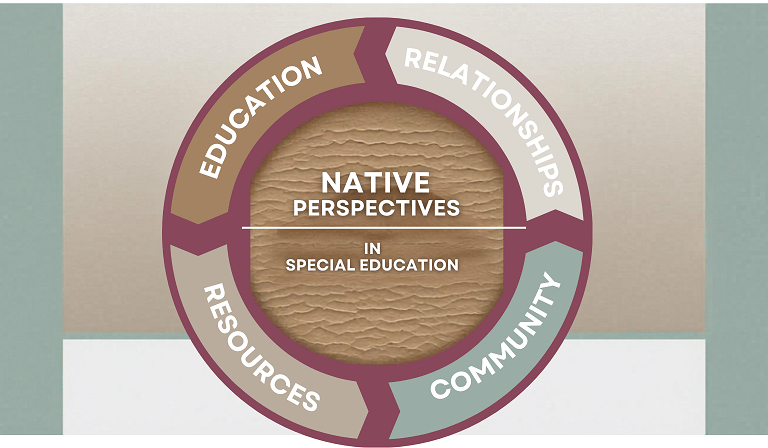
Native Perspectives in Special Education (NPSE)
Native Perspectives in Special Education (NPSE) is a culturally grounded framework designed to re-center special education systems through Indigenous perspectives, community knowledge, and relational practice. NPSE moves beyond deficit-based models by first recognizing the inherent strengths, resilience, and protective factors present within Native youth, families, and communities.
Through training, technical assistance, and systems consultation, NPSE supports educators, service providers, and organizations in developing culturally responsive practices that improve engagement, trust, and outcomes for Native youth with disabilities. The framework is designed to be actionable across roles, offering practical strategies that align policy, practice, and community priorities.
Culturally Informed Motivational Interviewing Training
Tilixam’s training and implementation services bridge evidence-based practice with Indigenous ways of knowing. We provide culturally adapted Motivational Interviewing (MI) training and implementation systems, culturally responsive workforce development for child welfare agencies, schools, healthcare systems, and government organizations, and targeted training to support youth transitioning from school to career pathways.
Anchored in the Native American Family Engagement model, our training emphasizes practical skill-building, relational engagement, and the development of local leadership capacity.
Evaluation
Research
Tilixam conducts culturally grounded research that centers community voice, relational practice, and Indigenous ways of knowing. Our research approach moves beyond traditional extractive models by creating learning environments where participants are engaged as knowledge holders, collaborators, and co-interpreters of meaning. This work prioritizes relationship, trust, and cultural safety as foundational conditions for generating meaningful and valid insight.
We utilize qualitative and mixed-method approaches that elevate narrative, storytelling, and lived experience alongside data analysis. This includes facilitation of learning communities, dialogue-based inquiry, and participatory synthesis processes that surface both outcomes and the deeper meaning behind those outcomes. Our research recognizes that impact is not only measured through metrics, but also through shifts in connection, engagement, and community-defined success.
→
→
→
→
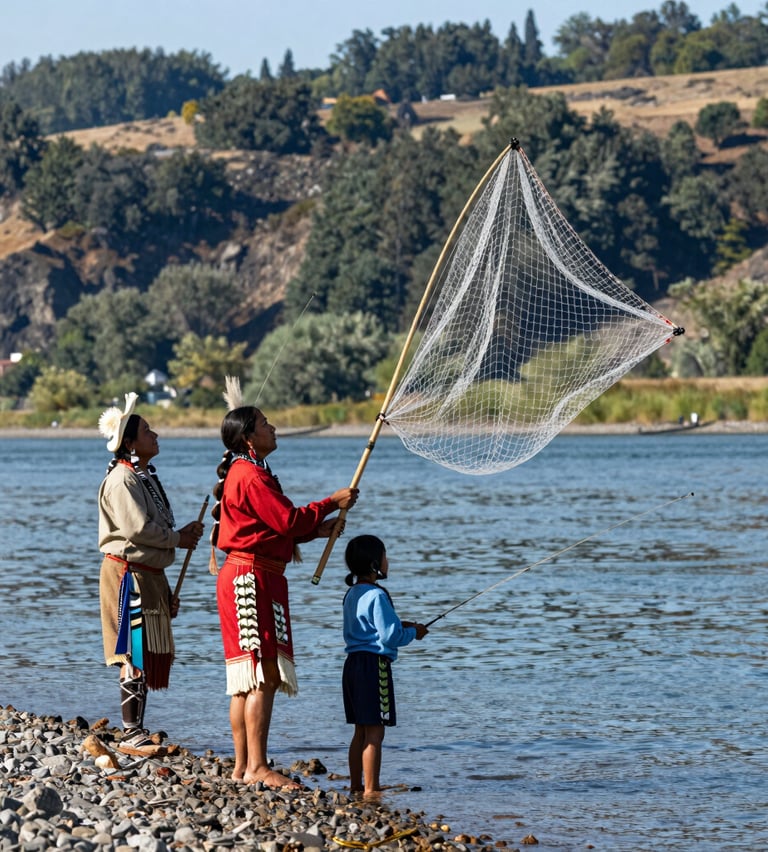
We provide culturally grounded evaluation services designed to support community programs in strengthening their purpose, practice, and impact. Our approach integrates Indigenous methodologies with established evaluation frameworks, ensuring that community voice, lived experience, and cultural knowledge are centered throughout the process. Evaluations are conducted in partnership with program leadership, staff, and stakeholders, creating space for shared learning, reflection, and collective meaning-making.
Contact
Contact us for questions regarding research or training
Phone
kevinsimmons@tilixamservices.com
707-502-5894
© 2025. All rights reserved.